
Welcome to the Arizona Archaeological Society
The Arizona Archaeological Society (AAS) welcomes you to our web site where you can learn more about archaeology around the state and how to actively participate in learning about and preserving our Arizona heritage.
AAS is a volunteer organization that is over 50 years old with a rich and varied history. The following link lists an overview of the first half century of key moments, activities, projects, and recognition for those involved with our organization, AAS Accomplishments.
A complete listing of AAS historical links in available on the Members-Only page. For instructions on how to create a password to enable access to the Members-Only section, click Logon Instructions.
Register for our Annual Conference
The Phoenix Chapter is hosting the AAS Annual Conference on Saturday, October 24, 2026 at S'edav Va'aki Museum. To ensure we have an accurate count, please register by October 10, 2026. .png)
You can now easily register using this link. https://www.zeffy.com/en-US/ticketing/arizona-archaeological-society2026-annual-state-meeting Or scan the QR code in the flyer above.
For full conference details, visit our Events page. Arizona Archaeological Society - Events
***New Occasional Paper Available***
New AAS Publication Explores Ancient Migrations from Kayenta to Hohokam Regions
When first becoming interested in Arizona and Southwestern archaeology, many people are surprised to learn that ancient peoples moved from one area of the region to another, with cultures often adopting techniques and practices from one another, helping their societies evolve.
“The Migration of People from the Kayenta Region of Northeastern Arizona into Hohokam Settlements in Southern, Southeast, and Central Arizona during the Classic Period, 1200–1450 CE,” details one such migration and how it proceeded over a 250-year period. Authored by Karen Briley-Balkan, PhD, this paper also describes the evidence archaeologists studied to piece together the story of the migration and the effects it had on both the immigrant communities and their destinations to the south.
Available for download exclusively by Arizona Archaeological Society members, this 22-page PDF publication provides a primer that will help readers understand other migrations, the overall story of the Southwest in earlier times, and how we have come to know it.
To download the paper, members should log in to the AAS website at AzArchSoc.org, select Research Pubs, and then Occasional Paper No.6.

Home Page Fast Navigation Links
Interested in Arizona Archaeology?
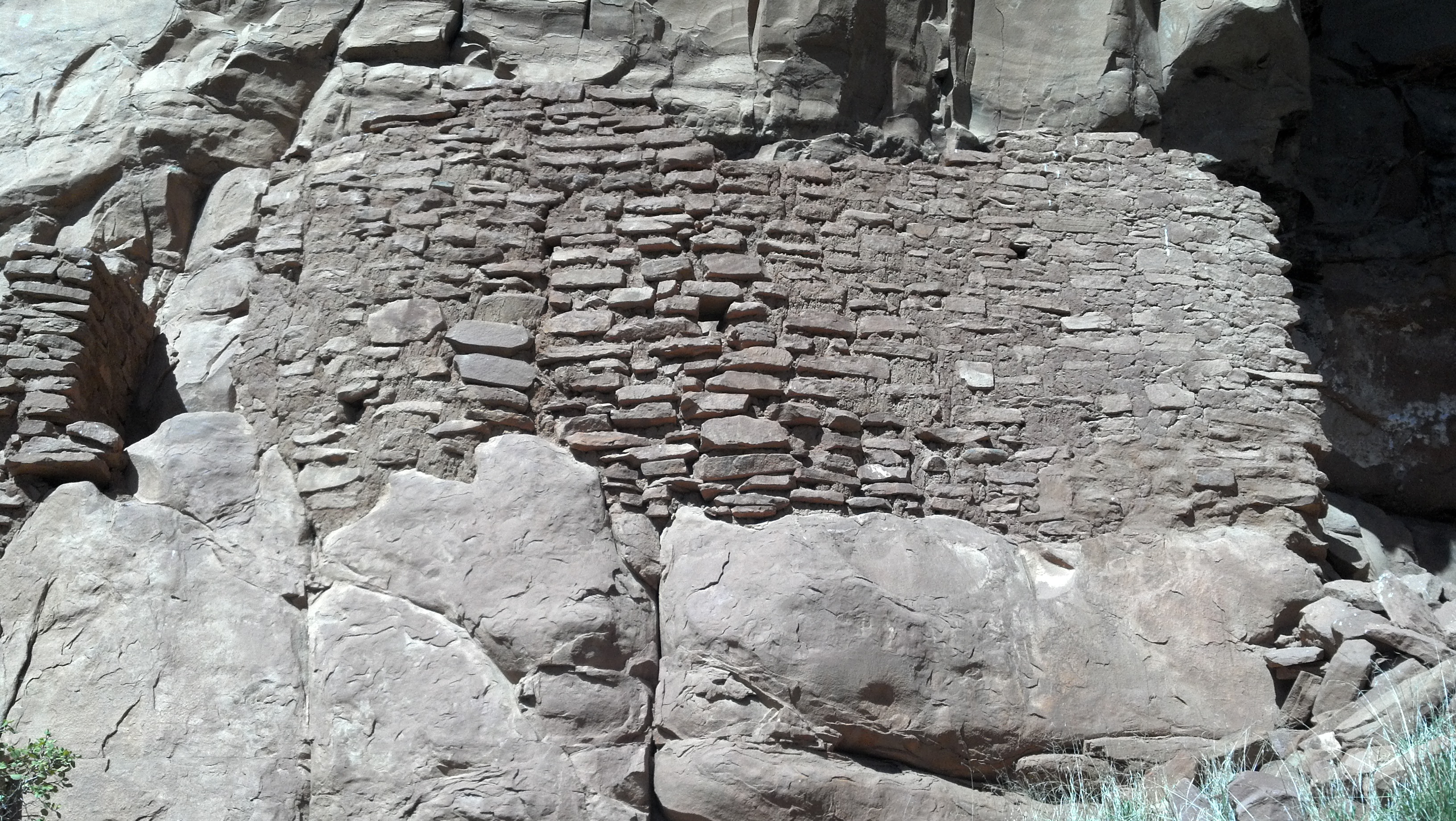
 Interest in Archaeology is often sparked by visits to sites that are protected and preserved or in various states of preservation such as these at Honanki and Mesa Grande, AZ.
For the retired adults volunteering or seeking a second career, or those seeking a higher education and a career with the opportunity to explain the unexplained, archaeology has an overwhelming draw as well as prehistoric preservation. Job experience is often achieved by volunteering.
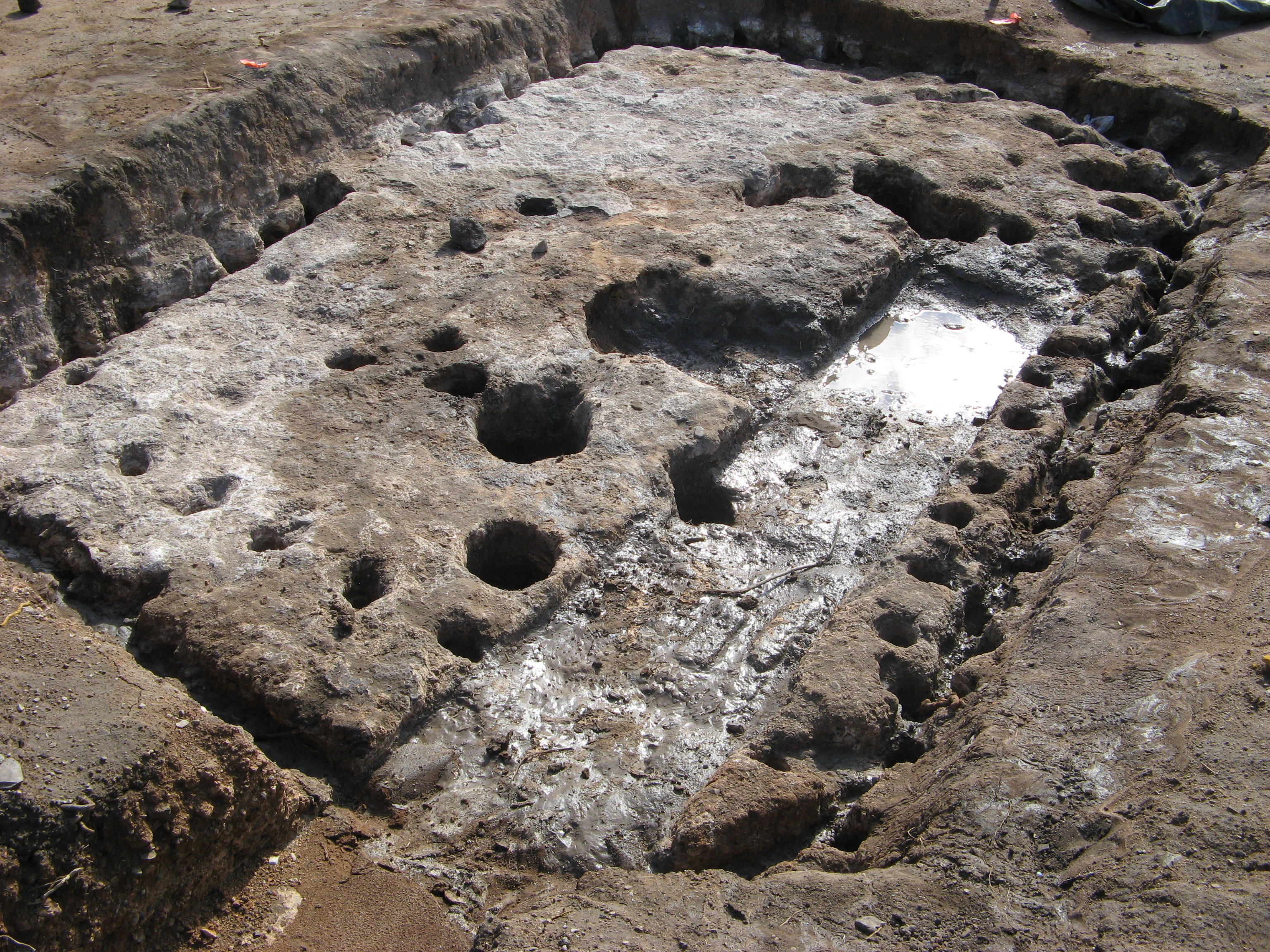
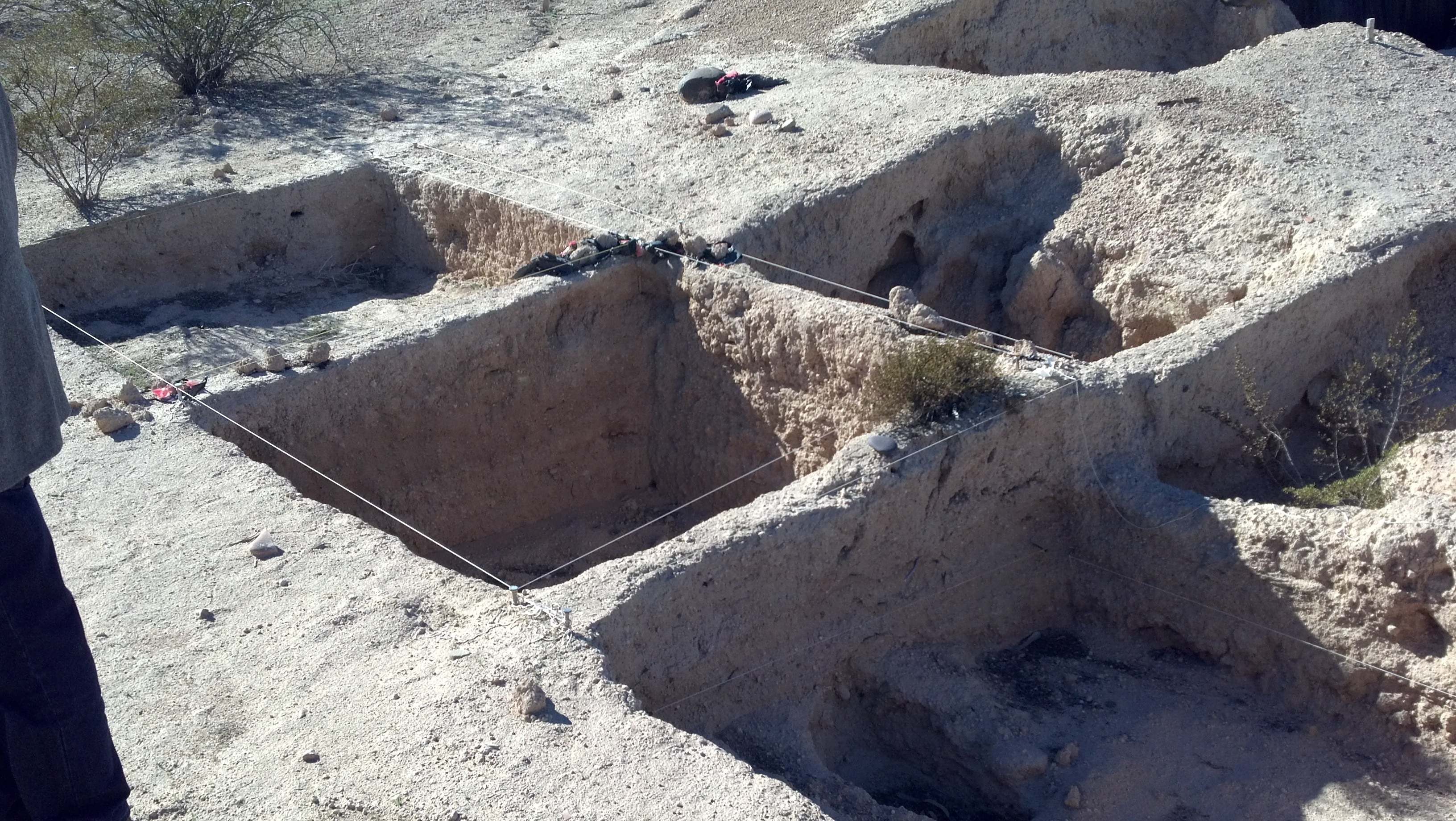
Sometimes our first exposure to the archaeology of an area is through building projects such as the expansion of the highway and ramps of I-17 through the Cordes Junction area in Arizona. These remains of a Hohokam structure were on the northern periphery of their known cultural influence and were uncovered during careful scientific excavation before the highway expansion.
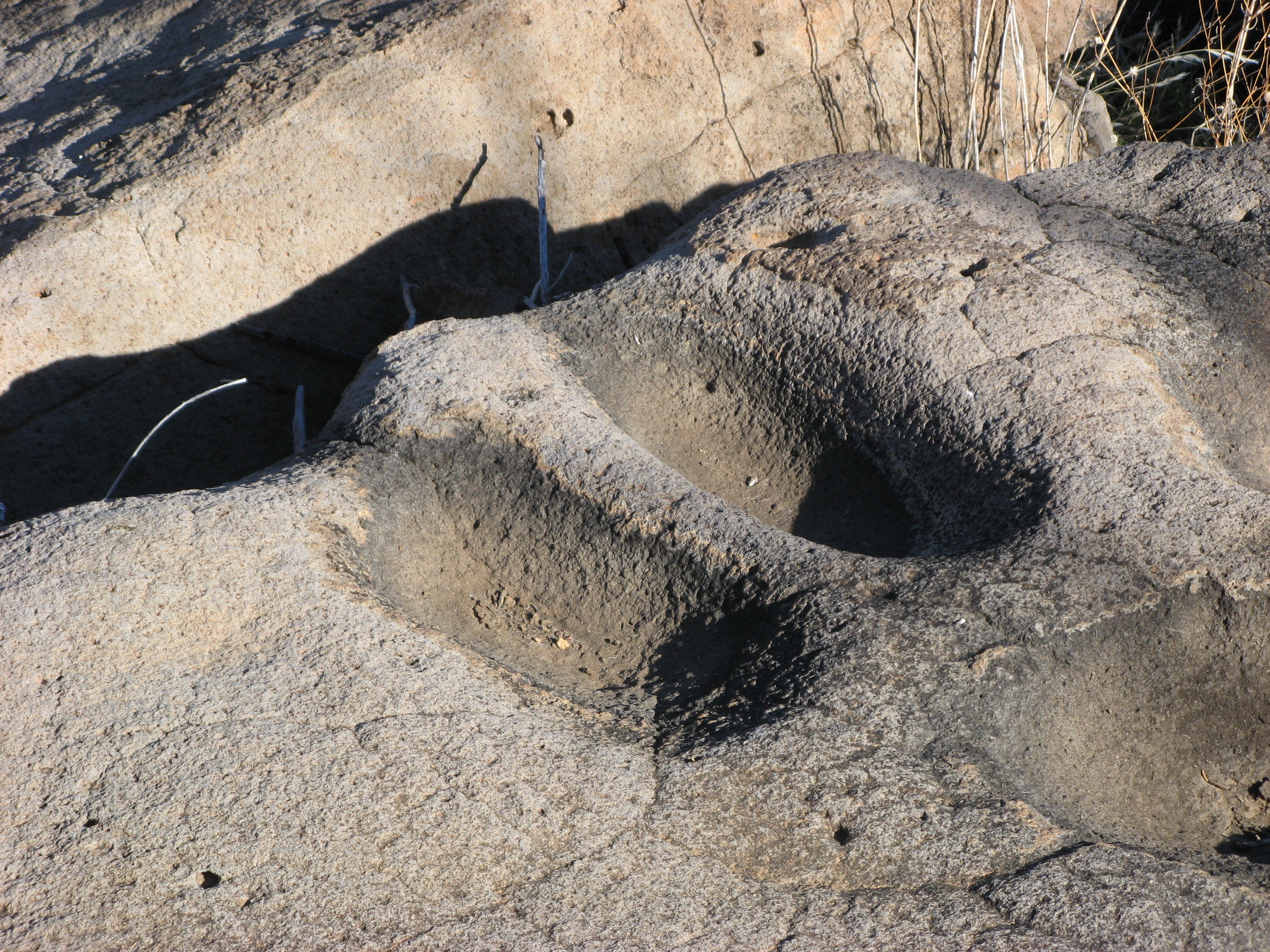
Other times, evidence of prehistoric activity may be more permanent and found on a large boulder surface such as this evidence of grinding activity on a site that is under Federal protection on Perry Mesa in Arizona.
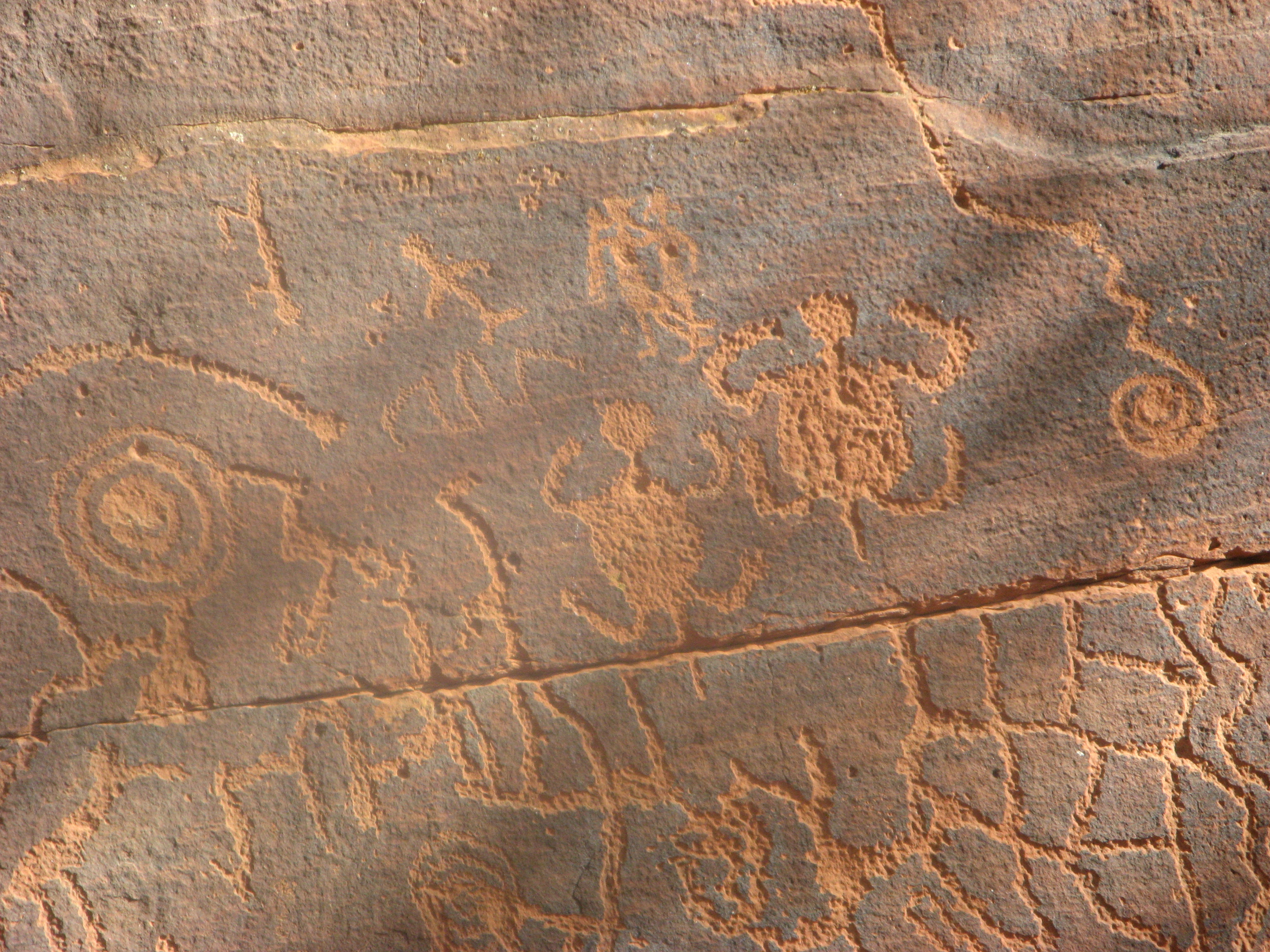
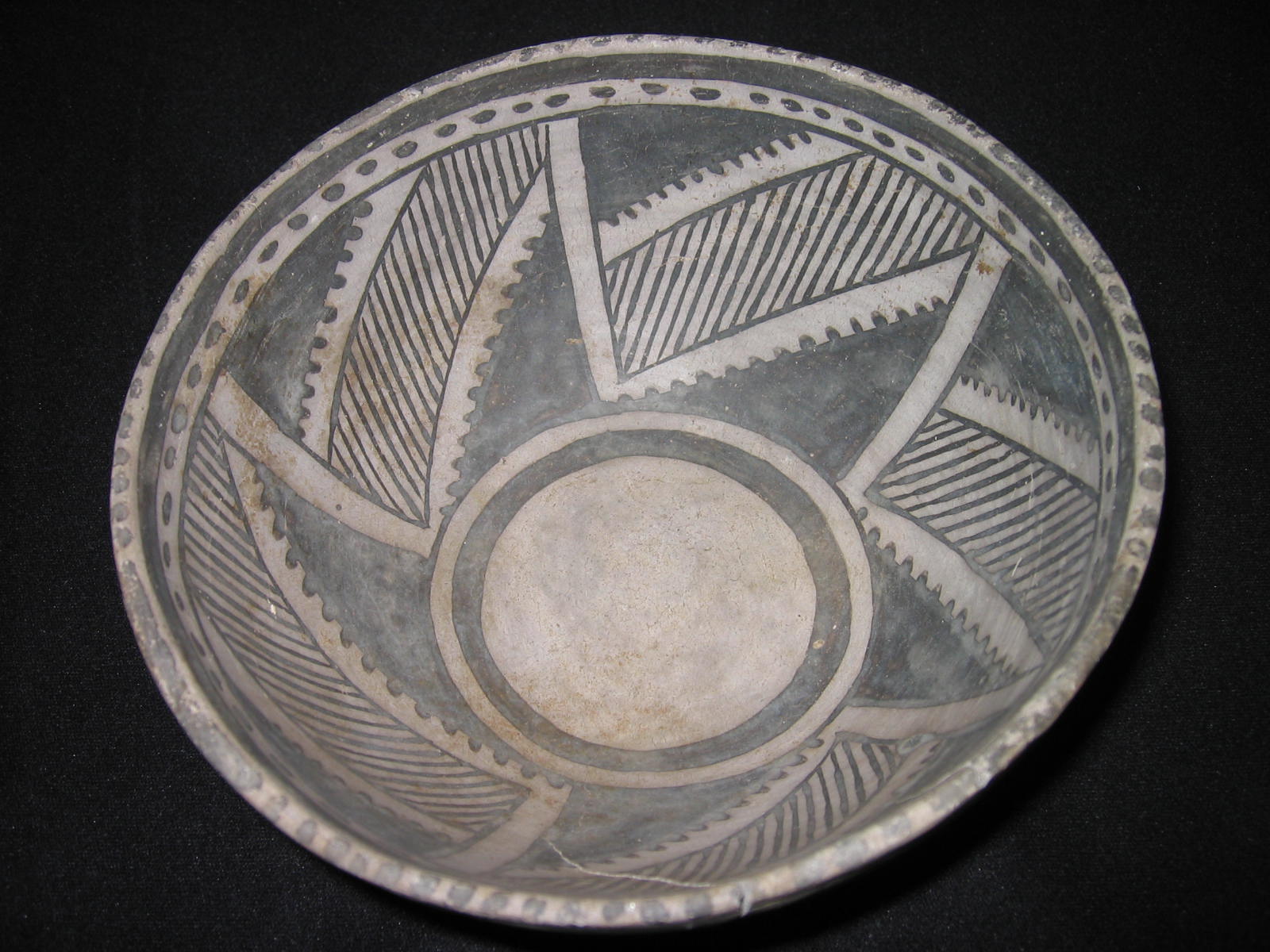
Many people are drawn to archaeology by the more artistic endeavors of prehistoric people. While many artifacts are strictly single-color objects that are utilitarian, other objects are decorated with wonderful pictures and/or mosaic designs in several colors.
The wonderment and interest in rock art, which might be either engraved or painted, often seeks to find meaning where no meaning may exist. Other times, the meaning might indicate clans, solar calendars, hunting stories, or ??????
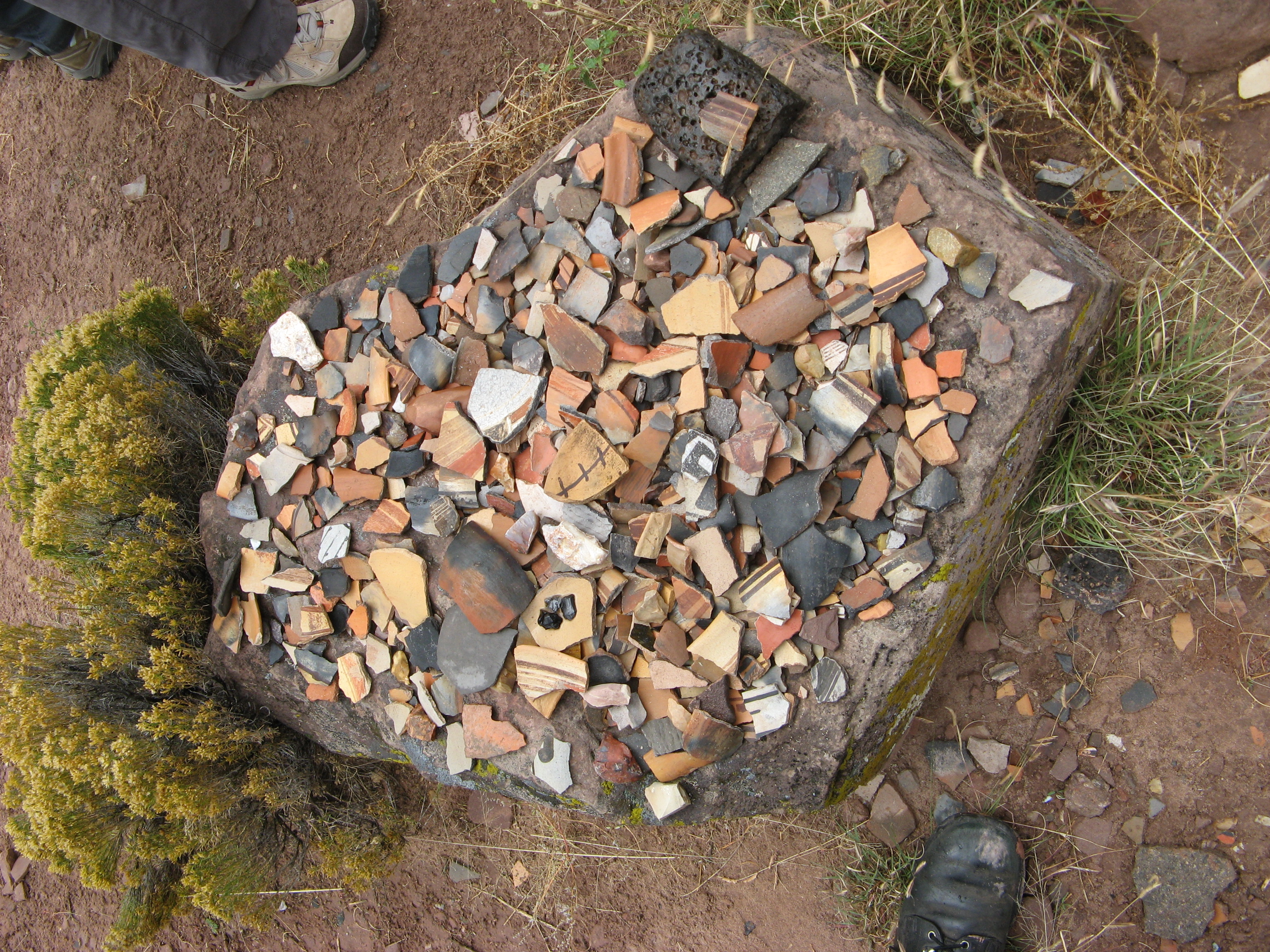
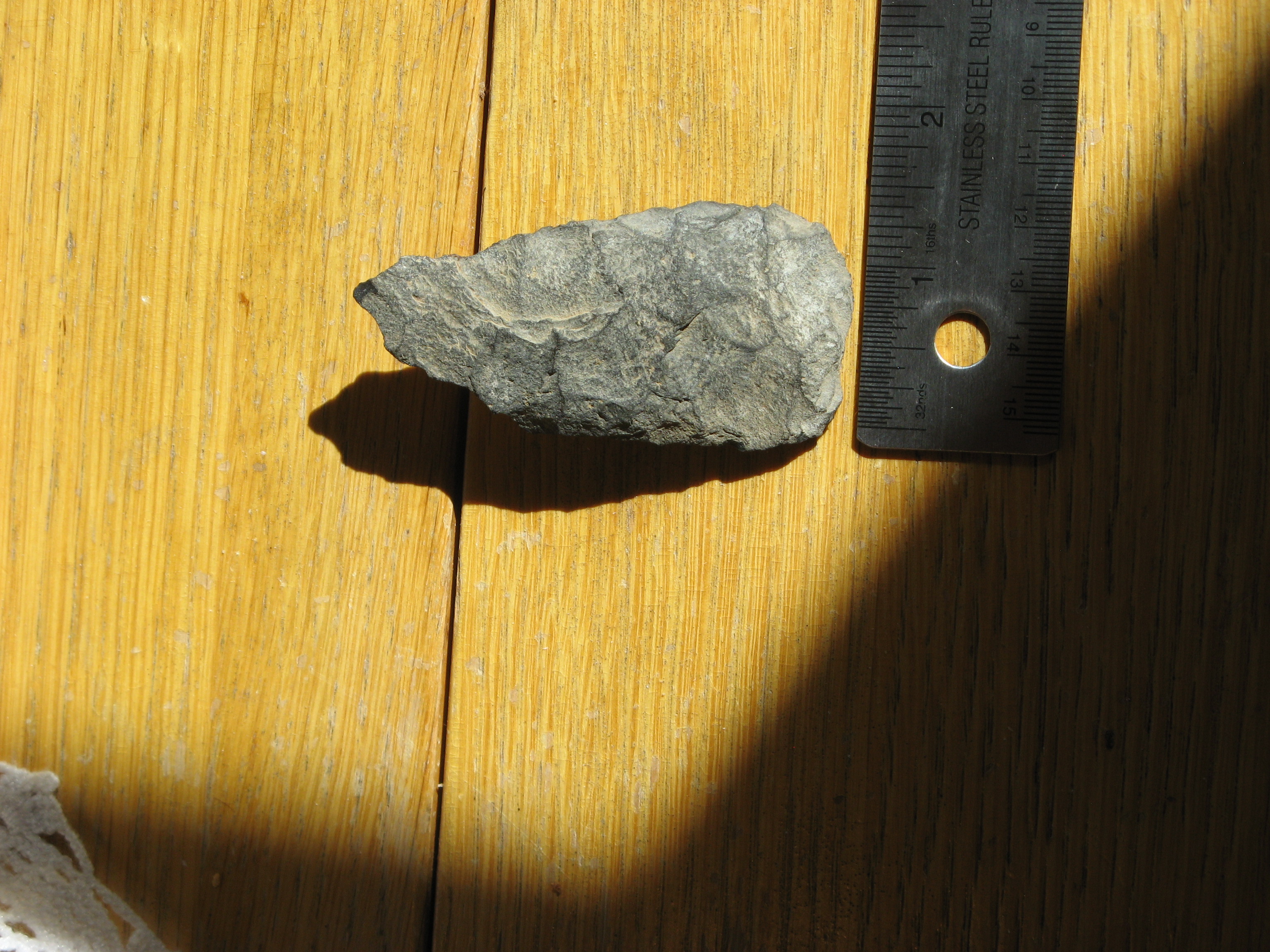
Most people recognize malicious damage to archaeological sites and do not condone it. Those truly involved with the study of archaeology observe more subtle damage to the prehistoric artifact record.
Sherds picked up and collected in both small and large treasure piles destroys their archaeological context forever. In a similar way, points, tools, or other goods surviving hundreds or thousands of years undisturbed are often in collections, drawers, backyards, and garages today. These archaeological records are lost and a person's heirs often take them to garage sales or put them in the trash.
While 5 basic prehistoric cultural groups touched Arizona - Anasazi, Hohokam, Mogollon, Patayan, and Fremont (slightly) - there are other groups that fit within these descriptions as large sub-groupings such as: Mimbres, Sinagua, and Salado, with further subdivisions into the Prescott or Perry Mesa cultures. For most of Arizona, the basic cultural grouping characteristics expressed as traits of Anasazi (Ancestral Puebloan), Hohokam, and Mogollon were sufficient in most original archaeological texts to convey differing traits. Also, time periods vary by culture and from location to location within any given culture.
9-Tips for Saving Sites Appearing on Indian Country Today Media Network and Comment: Click Here.
A brief look at AAS' 50-year history and some of its founders philosophies through the years, as well as thoughts concerning the future and the next 50-years. The original was distributed at an AAS Annual State Meeting in preparation for the 50th anniversary celebration.
The contents are modified to an MP4 format to work with the media player on your computer. Click the link to engage your media player and the file should play automatically. Once the presentation ends, simply close the media player on your computer. The Microsoft media player that comes with Windows should be sufficient to enjoy the material and get a sense of the history of the AAS.
Click Here to enjoy the video.
NOTE: If you have not used your Windows media player before, just select the "recommended settings" when the screen asks you for a decision. Testing with three Vista level computers running Windows 8.1, Windows 7, and Windows Vista yields a wide variety of performance levels before the program runs. The newer the operating system, the faster the loading time. Newer computer equipment should simply perform well. Microsoft no longer supports Windows XP, so we did not check that environment.
Renewals
For detailed instructions on how to renew your membership, click Membership and scroll down to Membership Renewal. You may also logon to the the AAS website using your email address and password to view your profile and click renew.
New Memberships
You can join the Archaeology Society today or attend a meeting and see if you would enjoy developing your knowledge of this subject. Archaeology is unique because you can study and work inside or enjoy activities outdoors. Many members develop additional interests in geology, botany, osteology, preservation work, surveying, etc. To find a chapter and contact person near you click Chapter Membership Chairs. To learn more about the Society and how to join click Membership.
_______________________________________________________________________________________________________________
The Member-Only Information
Member-Only Access: Click this link for instructions regarding access to the member-only section. Access is not possible without joining the Arizona Archaeology Society. See Renewal and New Membership Information.
This section includes:
- Edit Personnel Profile - instructions on how to edit your personal profile, such as a new email address, address, telephone, etc;
- Research Publications - a complete listing of Occasional Papers and Arizona Archaeologists; provides members with access to a free PDF or Kindle version (MOBI format) of some volumes;
- Archaeological Opportunities - a listing of workshops and archaeological available to members;
- Planning Committee - approved minutes of the Planning Committee meetings and State and Chapter Director meeting minutes
- Chapter Restricted - information posted by a chapter requiring password accessibility restricting access from the general public
Available for download by AAS Members in the Member-Only section are:
- Arizona Archaeologist Number 45, Parts 1 and 2 in color; pdf only
- Arizona Archaeologist Number 44, pdf only
- Arizona Archaeologist Number 43, Parts 1 and 2 in color, pdf only
- Arizona Archaeologists Number 40 and 41 are downloadable as pdf or MOBI
- Arizona Archaeologists Number 4, 19, 21, 29, 38, 39, 42, pdf only
- Occasional Paper Number 4, pdf only
- Proceedings of the Second Salado Conference, pdf only
- Southwest Indian Turkeys: Prehistory and Comparative Osteology, pdf only
____________________________________________________________________________________________________________
Arizona Archaeologists available for purchase on Amazon are Numbers 21, 29, 38, 39, 40, 41, 42 and 43 in hard copy. See publications tab at top of screen or Click Here. Beginning with the newly released Arizona Archaeologist #40, a Kindle version is also available for purchase from Amazon.
|
2019 AAS Avocational Archaeologist Award - Bob & Del Wright, AAS Rim Country Chapter In accordance with the AAS Award Purpose and Award Criteria, the AAS Rim Country Chapter in Payson, Arizona, recognized two of their Chapter members as being worthy of this Award. Bob and Del Wright had not previously received this Award. As a couple, they have consistently contributed to the Chapter over a period of more than a dozen years. Bob and Del began searching for and recording unknown Indian Ruins in 1993. They have located, GPS-recorded, and photographed over 8000 sites in Arizona. They have been Site Stewards for 22 years!! Entry submitted by Evelyn Christian, President, RCC |
Biographies of awards winners are at 2019 & 2018 AAS Archaeologist Awards
Graduate Students, Avocational and Professional Archaeologist
AAS Chapters sponsoring projects or interested parties mentioned in this heading working on Arizona archaeological projects may want to consider publishing their work in the Arizona Archaeologist. Submissions for possible publication in the Arizona Archaeologist or questions regarding the Arizona Archaeologist should be directed to the Arizona Archaeologist Editor at azarched@azarchsoc.org. This is an outstanding opportunity for students establishing themselves within the archaeological community or seasoned veterans drawing attention to a worthwhile project.